Intermediate Python and FastAPI courses are now live
Intermediate Python and Building APIs with FastAPI are live. See who each course is for, and how Python for Beginners, SQL, and Git fit beside them.


What should you learn after the Python basics if you want programs that take input, save a file, and talk to another program?
Intermediate Python and Building APIs with FastAPI are live. The first is the step after you can write a function, loop over a list, and read a dictionary. The second is how you build the API those programs talk to.
By the end of this post you will know what each course leaves you able to do, who it suits, and a sensible order if SQL or Git also belongs in the plan. If functions, loops, and dictionaries are still new, start with Python for Beginners (opens in a new tab) and come back.
What you can do after Intermediate Python
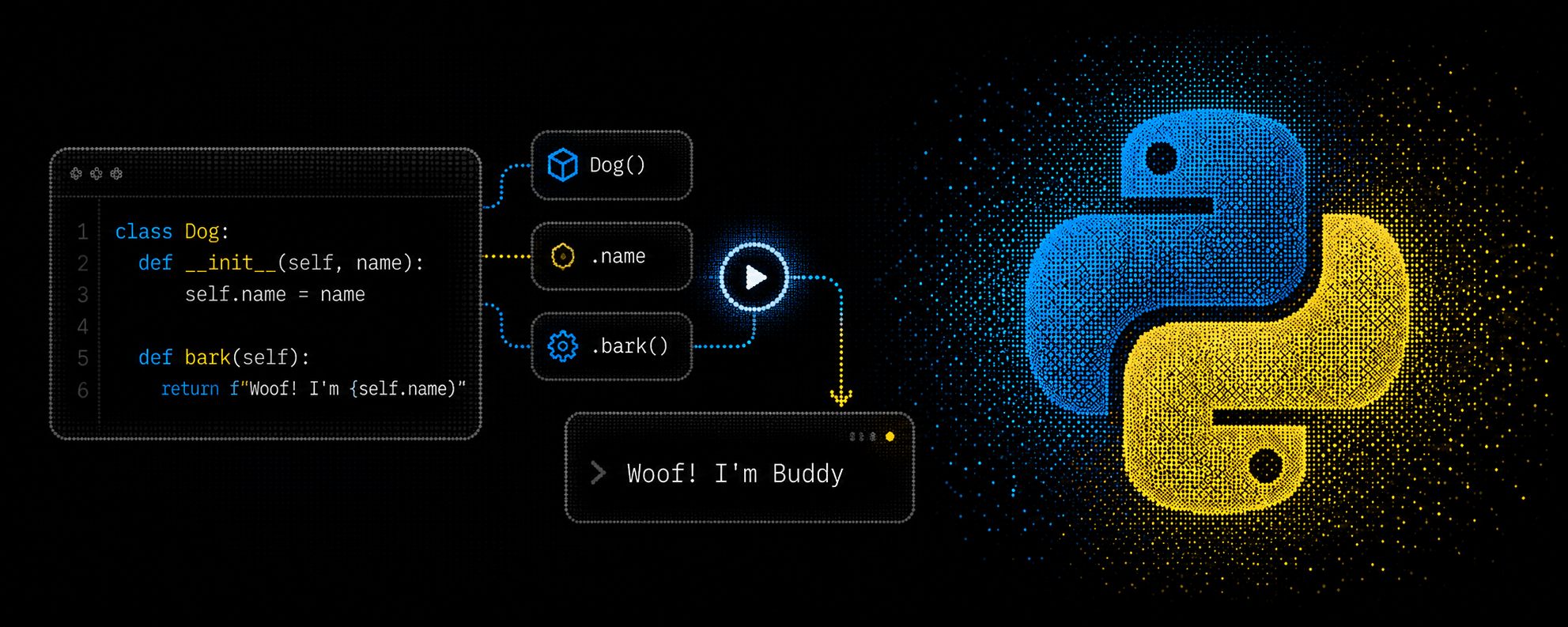
Intermediate Python (opens in a new tab) closes the gap between knowing the basics and writing a program someone can use. After it, you can ask for input and check the answer, split a program across files, read a traceback, and read or write text, CSV, and JSON. You also call an API with requests, and use classes when one function is no longer enough.
A script that only runs on perfect input isn't a program another person can rely on, which is why the course spends time on bad answers, files, and failed requests. Each chapter ends with a program you run, including Hangman, a trivia night, and a text adventure. It runs in the browser, so there is nothing to install.
It suits you if you can already write a function, loop over a list, and read a value from a dictionary. Python for Beginners (opens in a new tab) covers that. Dennis Ivy (opens in a new tab) teaches the beginner course, and Brad Traversy (opens in a new tab) teaches Intermediate Python.


What you can do after Building APIs with FastAPI
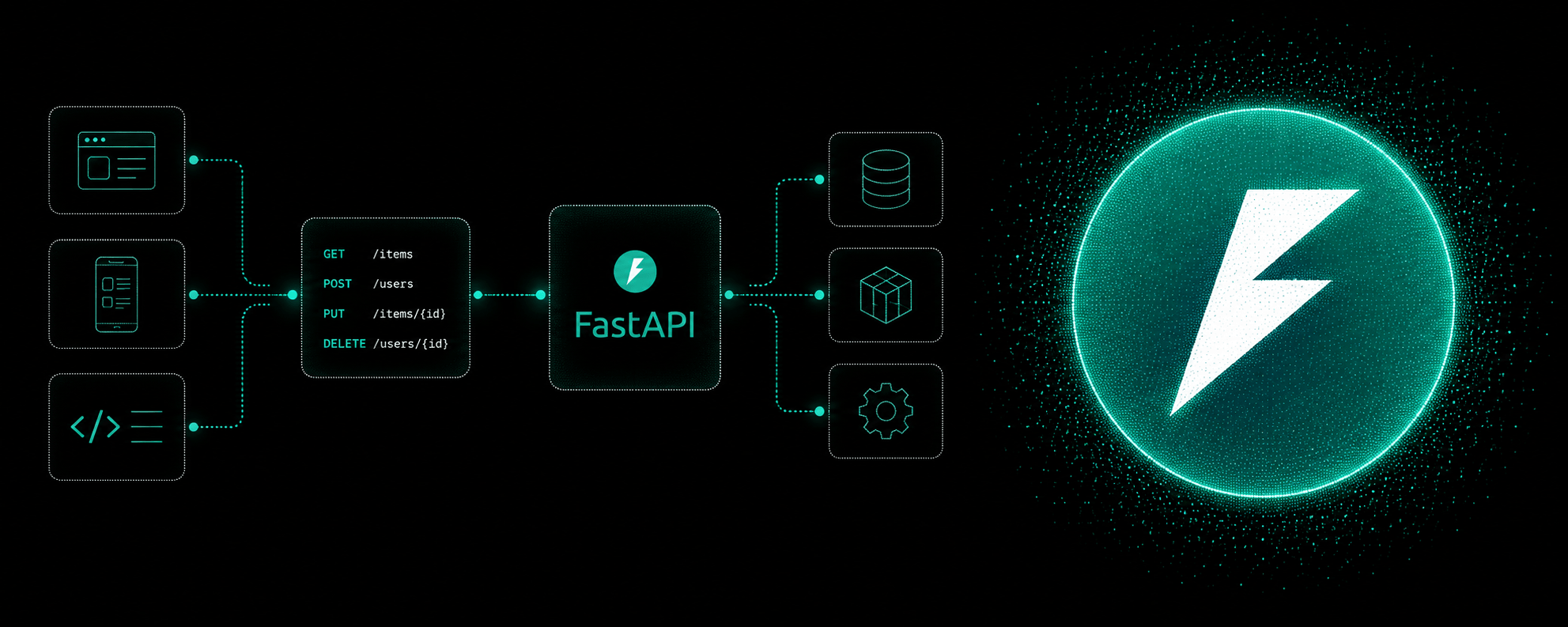
Building APIs with FastAPI (opens in a new tab) is the step after you can call an API and want to build one. You start by reading real responses with requests, then build a small server by hand so you can see what a server does, before FastAPI takes on the busywork.

After it, you can write routes that return JSON, read path and query parameters, validate a request body with Pydantic, and send a status code that matches what happened. The course grows one API until it can create, read, update, and delete data and save it to a file. You test each route from the built-in HTTP Client, and you don't need web server experience first.
Here is the shape of an early route. A client asks for /books, the function runs, and FastAPI sends the list back as JSON.
from fastapi import FastAPI

app = FastAPI()

@app.get("/books")
def list_books():
    # A route is a function. FastAPI turns the return value into JSON.
    return [{"title": "Dune", "pages": 412}]
The later chapters add the checks, the updates, and the file that keeps the data after a restart. Brad Traversy (opens in a new tab) teaches this course too. Take it if you have finished Intermediate Python, or you are already comfortable with functions, dictionaries, modules, exceptions, and calling an API with requests. If those still feel shaky, do Intermediate Python first.
Where SQL and Git fit
You don't need SQL or Git before either course. They are optional neighbors, not a required step.
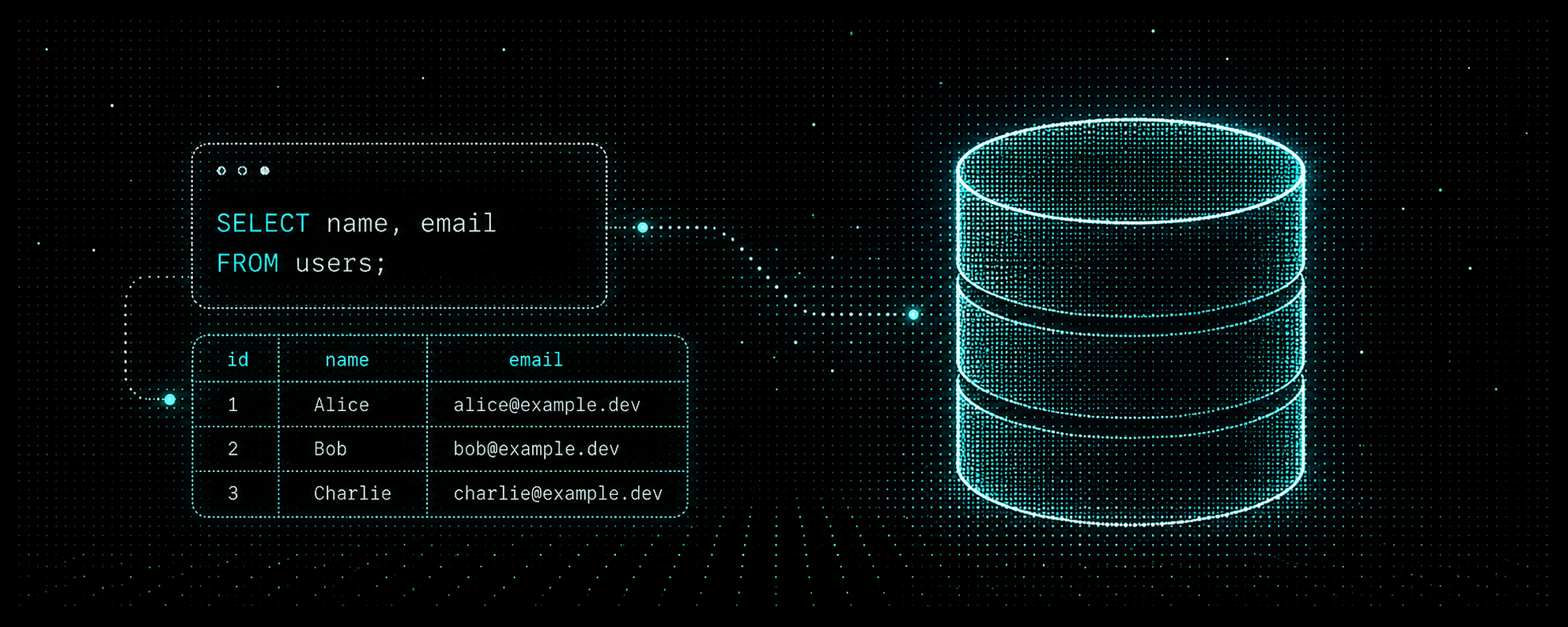
Learn SQL (opens in a new tab) is how you ask a database a question. It starts from zero, and you don't need Python first, so it can sit beside this work when the data lives in tables rather than a JSON file. Learn Git (opens in a new tab) is how you keep the history of a project, including commits, branches, and GitHub. It isn't a Python course, and it becomes useful once a project has more than one file and you want a way back.
Where to start
A sensible order depends on where you are, not on a named path.
- New to Python: start with Python for Beginners, then Intermediate Python, then Building APIs with FastAPI.
- Comfortable with functions, loops, and dictionaries: start with Intermediate Python, then FastAPI.
- Already comfortable with modules, exceptions, and
requests: start with FastAPI, and use Intermediate Python first if those topics feel shaky. - Add Learn SQL when you want to query tables, and Learn Git as soon as you are saving a project you don't want to lose.
If you're heading toward data work or AI applications, these courses won't teach those topics directly. They do build the groundwork underneath them: reading and writing files, calling an API, and building one of your own.
Where to go next
Open the course that matches the starting point above. If the basics are rusty, Python for Beginners (opens in a new tab) is the right first click.